Over the past few years, something remarkable has happened across Australia. What once felt like a fringe conversation, whispered parent-to-parent, or awkwardly talked about at back-to-school nights, has become mainstream. Suddenly everyone from clinicians to policymakers to Dads at the footy, is acknowledging the same uncomfortable truth: we handed a generation tools that weren’t built with their wellbeing in mind.
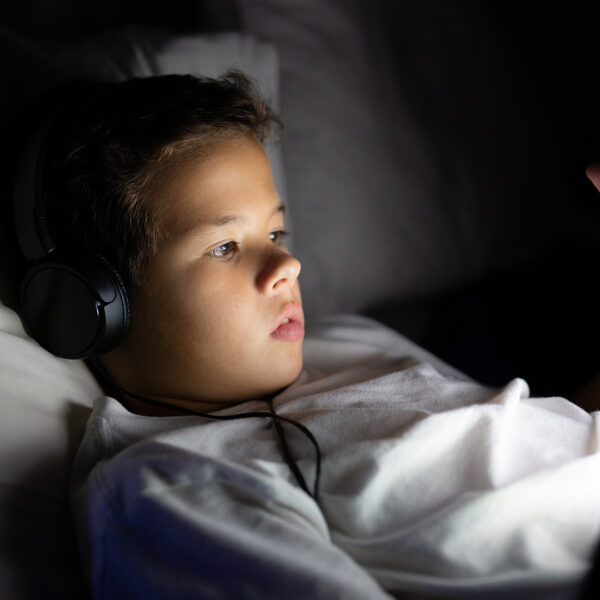
Technology has brought so much possibility. But in particular with social media, it has also brought pressures, loopholes, and maturity gaps that our young people simply aren’t ready to navigate alone.
On December 10th, Australia will take a major step forward by raising the minimum age for social media accounts from 13 to 16. It’s a decision grounded in years of research and advocacy, and shaped by brave voices who’ve kept this issue on the national stage. Australia is the first country in the world to make this bold change.
I’ve been reflecting on this moment. I feel deeply proud of the role we played: a role that feels meaningful, steady, and uniquely ours.
Helping Communities Understand “The How”
From the beginning, our work at Screen Sanity Australia has been rooted in helping families feel equipped and empowered to navigate technology. We’ve never believed in fearmongering. We’ve never believed there’s only one “right way” to parent in the digital age. There truly is no magical number of screentime minutes. What we have believed is something much simpler:
- When people are informed and supported, they make wiser choices.
- When they feel less alone, they speak up.
- When they’re equipped, they create change; sometimes quietly, sometimes boldly.
And over time, those small moments add up.
From little things, big things grow.
In the past two years, I’ve watched thousands of parents and educators across Australia lean into this conversation with fresh energy. They’ve come to our workshops, used our START framework, swapped stories about the pressures their kids face online, and asked brave, honest questions. Those micro-moments matter, because they build the cultural readiness that makes national change possible.
Offering Scaffolding for a Complex Debate
Legislative change doesn’t usually begin on the floor of Parliament. It begins in living rooms and staff rooms and community halls. It begins with someone saying:
- “Are we really okay with this?”
- “Are our kids actually okay?”
- “What does the research say?”
This is where Screen Sanity has quietly shown up, again and again.
We’ve offered language that helps people articulate their concerns without shame or judgment. We’ve created tools for leaders to gather their communities and talk about this stuff openly. We’ve validated parents who felt something was “off” but didn’t know how to express it. And we’ve connected spaces for families to navigate these awkward conversations with confidence, not fear.
Anyone can sign a petition. It’s the action that you proactively take, to follow up, to lead and role model for your children and communities, that matter.
A Wise Move, But Only The Start of a Bigger Conversation
Do I personally believe raising the minimum age from 13 to 16 is the right decision? Absolutely.
Developmentally, socially, neurologically, the data is clear. Younger teens are particularly vulnerable to social comparison loops, addictive design features, and algorithm-driven content. This shift is overdue.
But I’m also mindful that this change will bring new questions and new pressures. Age regulations alone can’t solve everything. Technology is still evolving faster than our guardrails. Platforms still prioritise engagement over wellbeing. And our wonderfully complex, beautifully kids, will still need us: our presence, our guidance, and our courage.
We are all living through a giant experiment. This legislation is a step, not the finish line.
Deep Gratitude for the Many Voices Behind This Moment
One of the most striking parts of this past year has been witnessing just how many people, from so many sectors, have contributed to this moment. Researchers. Pediatricians. Psychologists. Policy teams. School leaders. Brave parents. And yes, the loud and persistent advocates who made sure this issue couldn’t be ignored.
I’m grateful for their clarity, their persistence, and their willingness to weather complexity and criticism. And I’m grateful that Screen Sanity Australia, as the affiliate chapter of a global nonprofit, could help shape the cultural soil that allowed this shift to take root.
Looking Ahead
As 2025 unfolds, we’ll continue walking alongside families as they navigate what this change means in real life; in homes, classrooms, sports teams, youth groups, and car rides home from school. We’ll keep equipping communities with tools that help kids grow up captivated by life, not screens. We’ll keep offering frameworks that invite conversation, not conflict. And we’ll keep being the empathetic, steady voice in a dialogue that too often drifts into judgment.
This moment matters. Not because it fixes everything, but because it signals a collective willingness to rethink what we want childhood to look like, and to protect it with the seriousness it deserves.
For that, I’m hopeful. For the team I get to work alongside, I’m profoundly grateful.
And as we head toward the holidays, I hope many highs, lows, and buffalos are shared around your dinner table.
Keep looking up.
Fiona